Fairhope and Atmore
Phone (251) 928-6768



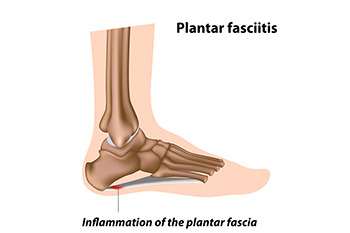
Plantar fasciitis, also known as heel spur syndrome, is a common cause of heel pain. It occurs when the thick band of tissue along the bottom of the foot becomes inflamed, often where it connects to the heel bone. Signs include sharp pain when taking the first steps in the morning or after long periods of rest. Causes include overuse, wearing poor footwear, or standing for long hours. Risk factors include flat feet, high arches, and obesity. A podiatrist can diagnose the condition and provide treatments such as stretching plans or custom orthotics. If you have consistent heel pain, it is suggested that you visit a who can provide appropriate relief and treatment solutions.
Plantar fasciitis can be very painful and inconvenient. If you are experiencing heel pain or symptoms of plantar fasciitis, contact Brent Harwood, DPM from Southeast Podiatry. Our doctor can provide the care you need to keep you pain-free and on your feet.
What Is Plantar Fasciitis?
Plantar fasciitis is the inflammation of the thick band of tissue that runs along the bottom of your foot, known as the plantar fascia, and causes mild to severe heel pain.
What Causes Plantar Fasciitis?
How Can It Be Treated?
While very treatable, plantar fasciitis is definitely not something that should be ignored. Especially in severe cases, speaking to your doctor right away is highly recommended to avoid complications and severe heel pain. Your podiatrist can work with you to provide the appropriate treatment options tailored to your condition.
If you have any questions please feel free to contact one of our offices located in Fairhope and Atmore, AL . We offer the newest diagnostic and treatment technologies for all your foot and ankle needs.
Neuropathy is a condition that can lead to numbness or loss of sensation in the feet, but it can also cause pain. This condition is more likely to develop for those who are diabetic, obese, or with high blood pressure.
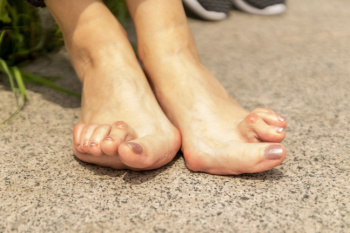
Rheumatoid arthritis is a chronic autoimmune condition that causes the immune system to attack healthy joints, often affecting the feet and ankles. It leads to inflammation, pain, stiffness, and joint deformity. Causes include genetic and environmental factors that trigger an abnormal immune response. Risk factors include family history, smoking, and age. Symptoms in the feet may include swelling, tenderness, limited range of motion, and difficulty walking. A podiatrist can help manage foot-related symptoms through custom orthotics, supportive footwear, targeted exercises, and coordination with rheumatologists. If you are experiencing persistent foot pain, stiffness, or swelling, it is suggested that you visit a podiatrist for expert care and solutions to maintain mobility and improve your quality of life.
Because RA affects more than just your joints, including the joints in your feet and ankles, it is important to seek early diagnosis from your podiatrist if you feel like the pain in your feet might be caused by RA. For more information, contact Brent Harwood, DPM of Southeast Podiatry. Our doctor will assist you with all of your podiatric concerns.
What Is Rheumatoid Arthritis?
Rheumatoid Arthritis (RA) is an autoimmune disorder in which the body’s own immune system attacks the membranes surrounding the joints. Inflammation of the lining and eventually the destruction of the joint’s cartilage and bone occur, causing severe pain and immobility.
Rheumatoid Arthritis of the Feet
Although RA usually attacks multiple bones and joints throughout the entire body, almost 90 percent of cases result in pain in the foot or ankle area.
Symptoms
Diagnosis
Quick diagnosis of RA in the feet is important so that the podiatrist can treat the area effectively. Your doctor will ask you about your medical history, occupation, and lifestyle to determine the origin of the condition. Rheumatoid Factor tests help to determine if someone is affected by the disease.
If you have any questions please feel free to contact one of our offices located in Fairhope and Atmore, AL . We offer the newest diagnostic and treatment technologies for all your foot and ankle needs.

Do you work on your feet all day and find your feet in pain? Don't go to work in pain each day. Your foot pain can be treated, and we can help.
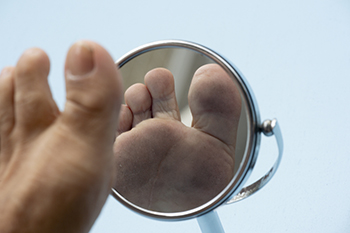
Negative pressure wound therapy applies controlled suction to non‑healing wounds on the foot, toes, or ankle to reduce excess fluid, improve blood flow, and stimulate healthy tissue formation. A podiatrist evaluates the wound’s depth, tissue condition, and surrounding skin before implementing therapy. The procedure involves using a porous dressing connected to a device that gently draws out excess fluids and encourages the wound edges to contract. This type of wound care also supports new tissue growth and promotes circulation. By removing excess fluid and proteins, the therapy helps restore proper pressure balance in the wound bed. It is most suitable for ulcers, non‑healing surgical sites, or complicated ankle wounds that have stalled in healing. Negative pressure therapy supports wound closure while it also minimizes infection risk and avoids unnecessary surgery. If you have foot wounds that will not heal, it is suggested that you schedule an appointment with a podiatrist for appropriate treatment.
Wound care is an important part in dealing with diabetes. If you have diabetes and a foot wound or would like more information about wound care for diabetics, consult with Brent Harwood, DPM from Southeast Podiatry. Our doctor will assess your condition and provide you with quality foot and ankle treatment.
What Is Wound Care?
Wound care is the practice of taking proper care of a wound. This can range from the smallest to the largest of wounds. While everyone can benefit from proper wound care, it is much more important for diabetics. Diabetics often suffer from poor blood circulation which causes wounds to heal much slower than they would in a non-diabetic.
What Is the Importance of Wound Care?
While it may not seem apparent with small ulcers on the foot, for diabetics, any size ulcer can become infected. Diabetics often also suffer from neuropathy, or nerve loss. This means they might not even feel when they have an ulcer on their foot. If the wound becomes severely infected, amputation may be necessary. Therefore, it is of the upmost importance to properly care for any and all foot wounds.
How to Care for Wounds
The best way to care for foot wounds is to prevent them. For diabetics, this means daily inspections of the feet for any signs of abnormalities or ulcers. It is also recommended to see a podiatrist several times a year for a foot inspection. If you do have an ulcer, run the wound under water to clear dirt from the wound; then apply antibiotic ointment to the wound and cover with a bandage. Bandages should be changed daily and keeping pressure off the wound is smart. It is advised to see a podiatrist, who can keep an eye on it.
If you have any questions, please feel free to contact one of our offices located in Fairhope and Atmore, AL . We offer the newest diagnostic and treatment technologies for all your foot care needs.

Ingrown toenails can be painful and can make wearing shoes or walking uncomfortable. Seek professional help if you believe you've developed an ingrown toenail and be treated safely.
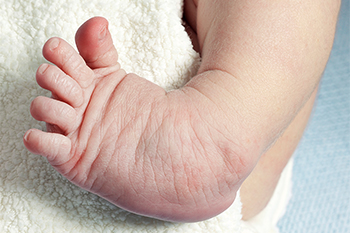
Clubfoot is a condition seen at birth where a baby’s foot twists inward and downward, making the sole face sideways or even upward. One or both feet can be affected, and the calf and foot may appear smaller than normal. Clubfoot involves the foot and ankle bones, joints, and tendons, leading to stiffness and limited motion. While the cause is not always known, it occurs more often in boys or when there is a family history. A similar issue, called positional clubfoot, can happen if the baby’s foot was pressed into an awkward position in the womb, but that form does not affect bone structure. True clubfoot requires early treatment to help move the foot into a better position. A podiatrist can assess the severity, take X-rays if needed, and monitor foot growth to determine whether a brace, casting, or surgery is necessary. If your baby displays symptoms of clubfoot, it is suggested that you schedule an appointment with a podiatrist for a diagnosis and ongoing treatment.
Congenital foot problems require immediate attention to avoid future complications. If you have any concerns, contact Brent Harwood, DPM of Southeast Podiatry. Our doctor can provide the care you need to keep you pain-free and on your feet.
Congenital foot problems are deformities affecting the feet, toes, and/or ankles that children are born with. Some of these conditions have a genetic cause while others just happen. Some specific foot ailments that children may be born with include clubfeet, polydactyly/macrodactyly, and cleft foot. There are several other foot anomalies that can occur congenitally. What all of these conditions have in common is that a child may experience difficulty walking or performing everyday activities, as well as trouble finding footwear that fits their foot deformity. Some of these conditions are more serious than others. Consulting with a podiatrist as early as possible will help in properly diagnosing a child’s foot condition while getting the necessary treatment underway.
What are Causes of Congenital Foot Problem?
A congenital foot problem is one that happens to a child at birth. These conditions can be caused by a genetic predisposition, developmental or positional abnormalities during gestation, or with no known cause.
What are Symptoms of Congenital Foot Problems?
Symptoms vary by the congenital condition. Symptoms may consist of the following:
Treatment and Prevention
While there is nothing one can do to prevent congenital foot problems, raising awareness and receiving neonatal screenings are important. Early detection by taking your child to a podiatrist leads to the best outcome possible.
If you have any questions please feel free to contact one of our offices located in Fairhope and Atmore, AL . We offer the newest diagnostic tools and technology to treat your foot and ankle needs.

Heel pain can negatively affect your day-to-day life. Simple activities like walking can become incredibly uncomfortable or painful due to heel pain.
Don’t live with heel pain and get treated.
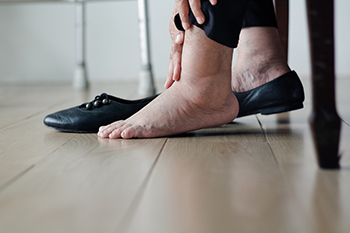
Foot problems become increasingly common with age due to wear and tear, medical conditions, and footwear habits. Seniors often face bunions, which are painful bumps that form when the big toe shifts out of place, sometimes causing inflammation and discomfort. Corns and calluses develop from pressure and friction, especially when shoes do not fit properly. Thick, brittle, discolored, or ingrown toenails can also become problematic and may lead to pain or infection. Other issues from improper footwear in seniors include arthritis-related stiffness, plantar fasciitis and heel spurs causing arch or heel pain, and flat feet or high arches that alter foot alignment. Nerve-related conditions such as tarsal tunnel syndrome and Morton’s neuroma may also cause burning, tingling, or cramping sensations. If you are experiencing foot pain, it is suggested that you schedule an appointment with a podiatrist for an exam, diagnosis, and appropriate treatment options.
If you need your feet checked, contact Brent Harwood, DPM of Southeast Podiatry. Our doctor will attend to all of your foot and ankle needs and provide you with quality treatment.
Geriatrics and Podiatry
When people age, some common issues that may occur are bone density loss, dry skin, poor circulation, and rough brittle nails. These issues may also affect your foot health if the necessary steps are not taken to alleviate the problems.
It is important to take care of your feet because feet that are injured or diseased can affect your overall health. Having painful feet hinders your ability to do daily activities or may decrease your willingness to do the things that you need to do.
Visiting Your Geriatrician
As we age, health problems become more likely, so it is essential to visit your doctor for check-ups to ensure that you are doing the best you can to take care of your health. It is recommended to check your feet frequently for any possible cuts, bruises, swelling, corns or any other irregularities.
Taking Care of Elderly Feet
Cracked or dry feet can be treated by applying moisturizer often. It is also important not to wear old socks because the older the sock is, the higher the possibility there will be that there is bacteria there. Wear fresh socks and make sure they fit properly.
Proper foot health means that you can have a more active lifestyle and you will not be bogged down by pain. Foot health also leads to good circulation, which is paramount for overall health.
If you have any questions, please feel free to contact one of our offices located in Fairhope and Atmore, AL . We offer the newest diagnostic tools and technology to treat your foot and ankle needs.

Do you suffer from heel pain when you get up in the morning? If so, you should seek professional help and have a proper diagnosis performed. Heel pain can be caused by several different foot-related conditions.
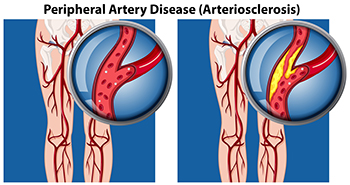
Peripheral artery disease, or PAD, which reduces blood flow to the feet due to narrowed arteries, is often caused by fatty deposits known as atherosclerosis. When circulation to the lower limbs is restricted, people may experience cold feet, skin color changes, slow-healing wounds, or painful cramping while walking. Over time, symptoms of peripheral artery disease can progress and may lead to serious complications, including ulcers or tissue damage. Hair loss on the feet and slow-growing toenails are other indications of poor circulation. People with diabetes, high blood pressure, or a history of smoking are at a higher risk of developing PAD. A podiatrist may detect reduced pulses, temperature differences, or other signs during a foot exam and can recommend diagnostic testing, such as an ankle-brachial index. If PAD is identified early, a podiatrist may suggest medical treatment, and, in severe cases, surgery to restore blood flow and prevent further damage. If you are experiencing symptoms of peripheral artery disease, it is suggested that you schedule an appointment with a podiatrist for appropriate treatment options.
Peripheral artery disease can pose a serious risk to your health. It can increase the risk of stroke and heart attack. If you have symptoms of peripheral artery disease, consult with Brent Harwood, DPM from Southeast Podiatry. Our doctor will assess your condition and provide you with quality foot and ankle treatment.
Peripheral artery disease (PAD) is when arteries are constricted due to plaque (fatty deposits) build-up. This results in less blood flow to the legs and other extremities. The main cause of PAD is atherosclerosis, in which plaque builds up in the arteries.
Symptoms
Symptoms of PAD include:
It is important to note that a majority of individuals never show any symptoms of PAD.
Diagnosis
While PAD occurs in the legs and arteries, Podiatrists can diagnose PAD. Podiatrists utilize a test called an ankle-brachial index (ABI). An ABI test compares blood pressure in your arm to you ankle to see if any abnormality occurs. Ultrasound and imaging devices may also be used.
Treatment
Fortunately, lifestyle changes such as maintaining a healthy diet, exercising, managing cholesterol and blood sugar levels, and quitting smoking, can all treat PAD. Medications that prevent clots from occurring can be prescribed. Finally, in some cases, surgery may be recommended.
If you have any questions, please feel free to contact one of our offices located in Fairhope and Atmore, AL . We offer the newest diagnostic and treatment technologies for all your foot care needs.

You don't need an excuse to have beautiful nails. Step outside without worrying about the appearance of your feet.
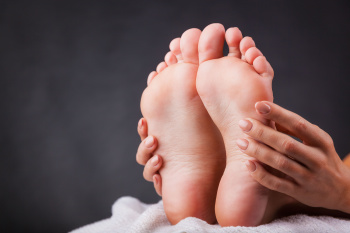
Caring for your feet is essential to maintaining overall health and comfort. Washing your feet daily with warm water and drying them thoroughly, especially between the toes, helps prevent infections. Alternating shoes gives them time to air out and reduces moisture buildup. Avoiding flip flops for long periods helps prevent strain, while choosing supportive shoes protects the arches and joints. Checking your feet each day for cuts, blisters, or other changes is important, especially for anyone with diabetes or circulation issues. A podiatrist can provide expert advice on proper foot care, recommend the best footwear for your needs, and treat any issues early. If you have foot pain, it is suggested that you consult a podiatrist who can treat various foot conditions, and guide you on important foot care tips.
Everyday foot care is very important to prevent infection and other foot ailments. If you need your feet checked, contact Brent Harwood, DPM from Southeast Podiatry. Our doctor can provide the care you need to keep you pain-free and on your feet.
Everyday Foot Care
Often, people take care of their bodies, face and hair more so than they do for their feet. But the feet are a very important aspect of our bodies, and one that we should pay more attention to. Without our feet, we would not be able to perform most daily tasks.
It is best to check your feet regularly to make sure there are no new bruises or cuts that you may not have noticed before. For dry feet, moisturizer can easily be a remedy and can be applied as often as necessary to the affected areas. Wearing shoes that fit well can also help you maintain good foot health, as well as making it easier to walk and do daily activities without the stress or pain of ill-fitting shoes, high heels, or even flip flops. Wearing clean socks with closed shoes is important to ensure that sweat and bacteria do not accumulate within the shoe. Clean socks help to prevent Athlete’s foot, fungi problems, bad odors, and can absorb sweat.
If you have any questions please feel free to contact one of our offices located in Fairhope and Atmore, AL . We offer the newest diagnostic and treatment technologies for all your foot and ankle needs.

Have your child's feet been examined lately? Healthy feet are happy feet. If your child is complaining of foot pain, it may be a sign of underlying problems.